
UFC Numbered Events Betting and Championship Cards
 Available in US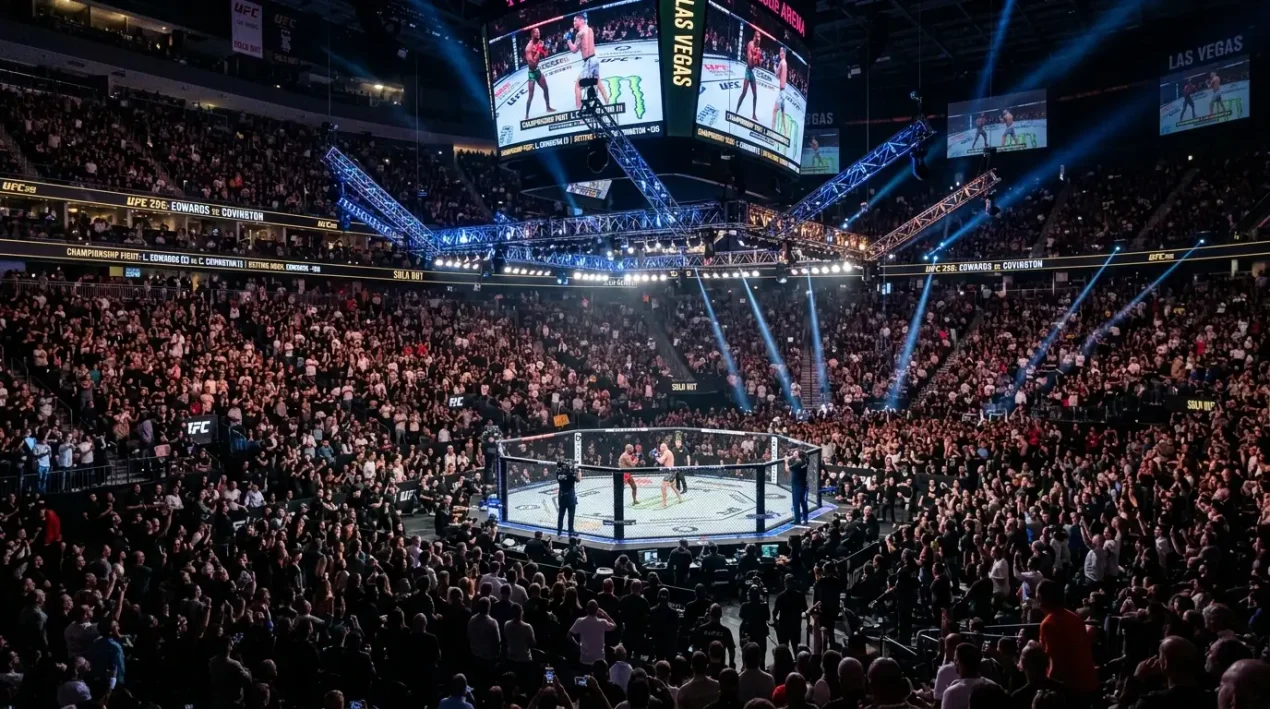
The UFC runs roughly a dozen numbered events per year, each anchored by at least one title fight and supported by a deep card of ranked contenders. These are the cards that attract mainstream media coverage, social media storms, and — most relevant to us — enormous betting volume. That volume makes lines sharper, props more precise, and casual money a factor you have to account for in your handicapping. Understanding how these dynamics work is the difference between finding real edges and donating to the bookmaker.
Five-Round Title Fights: Pace Adjustments and Round Total Patterns
The first time I bet a championship round total without adjusting for five-round pacing, I lost. It was a lesson I only needed once.
Title fights and main events are scheduled for five rounds — 25 minutes of cage time instead of 15. That extra ten minutes changes everything about how fighters approach the bout. Champions in particular tend to start conservatively. They know they have two extra rounds to work with, so the early pace is often slower than what you see in a three-round undercard scrap. This makes the over a more common outcome in championship bouts than casual bettors expect.
The data backs this up in unexpected ways. Champions who enter a title defence as underdogs have defended successfully 63% of the time — a rate that stunned me when I first dug into it. The implication for round totals is significant: if the champion is controlling pace as the underdog, the fight is more likely to extend into the championship rounds. A champion who survives the early storm and settles into a rhythm at their own tempo is a champion who drags the fight past the 2.5-round line.
Pacing also varies by division. Heavyweight title fights produce earlier finishes because the power differential is enormous — one clean shot can end it regardless of round. Lighter weight classes, particularly the women’s divisions, tend to go deeper. The five-round format amplifies these tendencies. A bantamweight champion with elite cardio will pace herself through three rounds and turn up the pressure in the championship rounds, which is exactly the kind of pattern that shifts round total value.
I factor pacing into every numbered-event bet now. If both fighters have historically strong fourth and fifth rounds, I lean over. If the underdog is a power puncher with a visible cardio drop-off after round three, the under becomes attractive even though title fights generally skew long.
Why Numbered Event Lines Are Sharper — and Where Value Survives
A colleague once told me that betting a numbered-event main event is like playing poker at a table full of professionals. The lines are sharp because everyone is paying attention.
The structural reason is volume. The UFC’s deal with Paramount and CBS — a seven-year contract worth $7.7 billion — has pushed numbered events into the mainstream sports conversation. More viewers means more bettors, which means more money flowing into the market, which means the line corrects faster. When a million casual bets land on the favourite, the bookmakers adjust, and the opening line you saw on Monday barely resembles the closing line on Saturday.
But sharper lines do not mean zero value. The sharpness concentrates on the main event and co-main event — the fights that draw the headlines. Scroll further down the card and you find ranked contenders in bouts that receive a fraction of the public attention. The undercard of a numbered event is, paradoxically, one of the best places to find mispriced lines. Public money pools at the top of the card, leaving the supporting bouts in a market efficiency gap that reminds me of Fight Night dynamics.
The prop markets tell a similar story. Method of victory and exact round betting on the main event are priced aggressively — the books know that these props attract recreational money on big cards, so the margins are tighter in their favour. On the undercard, those same props are priced with wider margins but also with less precision. If you have done your research on an undercard fighter’s finishing tendencies, you can find props that feel generous even on the biggest cards of the year.
Co-Main and Undercard Value on Big Numbered Cards
I have a rule: on every numbered event, I spend more time handicapping the third and fourth fights on the main card than I do on the headliner. That is where my best returns come from, year after year.
The reason is attention asymmetry. When a numbered event features a marquee title fight, the media machine spins almost exclusively around that bout. Press conferences, embedded vlogs, social media clips — they all focus on the main event. The co-main gets some coverage, but by the time you reach the third fight on the main card, you are looking at a bout between two ranked fighters who have barely been discussed in public.
That information vacuum creates value. The bookmakers still set lines on these bouts, but the public money that would normally sharpen those lines is concentrated elsewhere. I have found co-main and undercard lines on numbered events that did not move at all between opening and closing — a clear sign that the market was not engaged. When a line sits still on a championship card, it usually means the oddsmakers set it without much correction, and that is where your film study and statistical analysis actually matter.
One practical tip: check the Fight Night betting approach and apply the same principles to numbered-event undercards. The fighters are often higher-ranked, but the market dynamics are surprisingly similar. Less public attention, less volume, more room for a prepared bettor to find an edge.
The timing of your bet matters here too. On a numbered event, the main-event line will move throughout the week as public money arrives. But the undercard lines often stay static until Friday or Saturday, when a few sharp bettors finally weigh in. If you can identify your edge earlier in the week and bet before that late sharp action lands, you capture a better number on a bout that most people have not even thought about yet.
Numbered Event Questions
Two questions surface regularly in my conversations with fellow bettors about championship cards.
Do title fights tend to go the distance more often?
Yes. Five-round title fights go the distance more frequently than three-round bouts, largely because champions pace themselves differently and both fighters tend to fight conservatively in the early rounds when more time is available. Champions defending as underdogs win 63% of the time, often by controlling the later rounds after surviving early pressure.
Are UFC numbered event odds available earlier than Fight Night odds?
Generally, yes. Bookmakers open lines on numbered events earlier because the matchups are announced further in advance and draw more attention. Main event lines for a championship card often appear two to three weeks before the event, while Fight Night odds may only surface seven to ten days out.
This material was created by the OCTAPICKS team.
Related posts
UK UFC Audience Demographics and Betting Market Growth

UFC Betting Record Keeping and ROI Tracking