UFC Odds Comparison and Sportsbook Line Shopping
 Available in US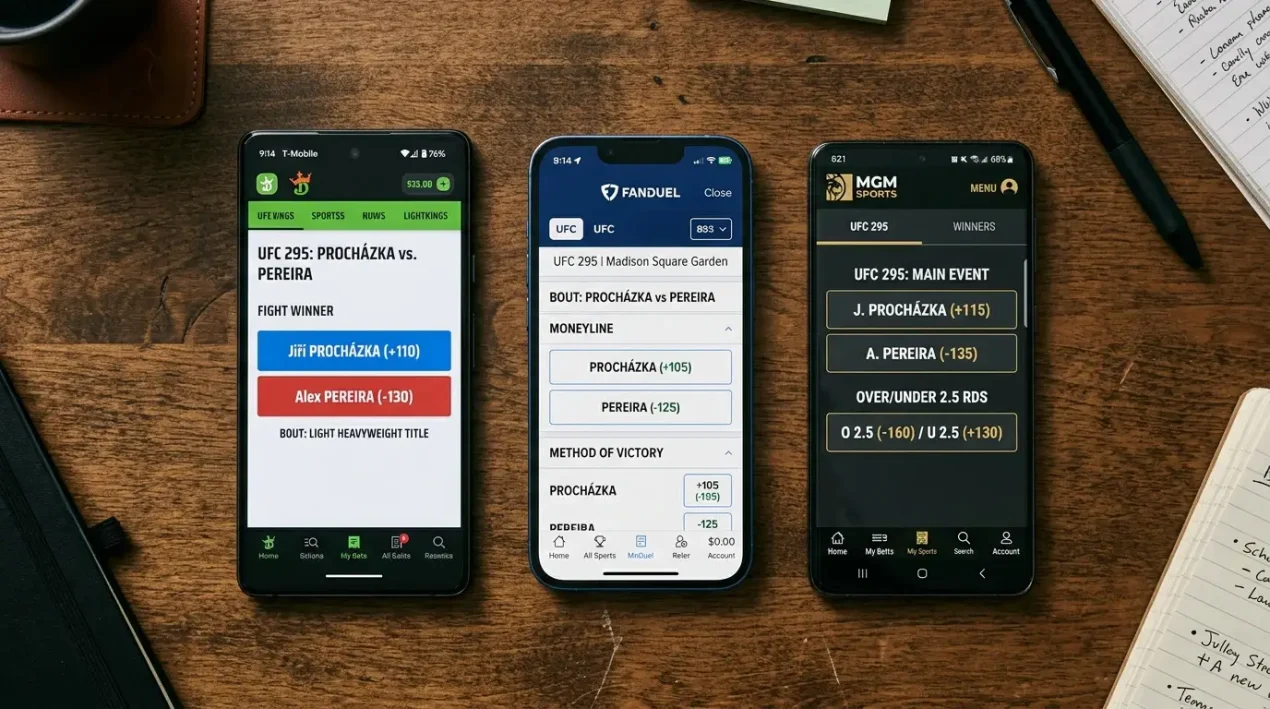
Line shopping is the simplest edge in sports betting. It requires no analytical skill, no statistical model, and no insider knowledge — just the discipline to check more than one platform before you commit your stake. This guide covers why the price differences exist, how to use odds aggregators effectively, and where the biggest pricing gaps appear beyond the moneyline.
Line Shopping Mathematics: Compounding Value Over the Betting Year
One slightly better price on one bet is a rounding error. A hundred slightly better prices over a year is a genuine improvement in your bottom line.
The worked example is simple. Suppose you place 100 UFC bets per year at an average stake of £20. If line shopping consistently improves your odds by an average of 3% — which is conservative based on my tracking — your total return over those 100 bets increases by approximately £60. That is £60 earned for doing nothing more than checking a second or third bookmaker before placing each bet. Over five years, assuming the same volume, that compounds into £300 or more — enough to fund an entire month’s betting bankroll from thin air.
The 3% figure is an average. On some fights, the price difference between the best and worst UK bookmaker is negligible — perhaps 1% or less on a heavily bet main event where all platforms have converged to the sharp line. On other fights, particularly undercard bouts and prop markets, the gap can stretch to 10% or higher. The less attention a fight receives, the wider the pricing variance, because the platforms that set their lines with less data or less MMA expertise tend to drift further from the efficient price.
I maintain accounts with four UK bookmakers specifically for UFC line shopping. The administrative overhead is minimal — you check the same fight on four apps, identify the best price, and place your bet there. The only genuine cost is the initial setup time and the need to maintain balances across multiple platforms, which requires some bankroll management flexibility. For that modest effort, the return is the closest thing to free money that sports betting offers.
One important caveat: line shopping is most valuable when you are already placing bets that have an edge. A 3% price improvement on a bad bet is still a bad bet. Line shopping amplifies your existing advantage — it does not create one from nothing. Think of it as the final step in a process that starts with analysis, moves through selection, and ends with execution at the best available price.
Using Odds Aggregators for UFC Markets
Checking four separate apps every time you want to place a bet is tedious. Odds aggregators do the comparison for you — but they have limitations that UFC bettors need to understand.
Oddschecker is the most widely used odds comparison platform in the UK, and it covers UFC events reasonably well. For moneyline and over/under markets, Oddschecker displays real-time odds from most major UK betting sites, letting you identify the best price in seconds. The interface is straightforward: find the fight, scan the row, and click through to the platform offering the highest odds on your selection.
The limitation is market depth. Most aggregators focus on moneyline and basic over/under — the two highest-volume UFC markets. Method of victory, exact round, fighter props, and same fight parlays are often missing or inconsistently covered. If your bet involves anything beyond a straight winner pick or a round total, you will likely need to check individual platforms manually. This is where maintaining multiple bookmaker accounts pays for itself, because the pricing gaps on props are larger than on moneyline but harder to find through aggregators.
Timing matters when using aggregators. Odds update at different speeds across platforms, and an aggregator showing a price from three hours ago is not giving you actionable information on a market that has moved. I use aggregators as a starting point — they show me which platform is likely to have the best price — and then I verify the current odds on the platform itself before placing the bet. During fight week, when lines move daily, this verification step catches discrepancies more often than you might expect.
A second aggregator worth checking is OddsPortal, which tracks historical line movements alongside current prices. This is useful for understanding how a line has evolved from opening to current, which helps you judge whether the current price represents value or whether you have already missed the best number.
Beyond Moneyline: Comparing Props and Specials
The global MMA betting handle reached $10.3 billion in 2024, and that enormous volume creates deep liquidity on moneyline markets — which paradoxically means moneyline pricing is the most competitive and the hardest place to find an edge through line shopping. The bigger opportunities sit in the prop markets, where pricing is less efficient and comparison is more rewarding.
Method of victory odds vary significantly between UK bookmakers. One platform might price a fighter at 2.50 to win by KO/TKO while another offers 2.80 on the same outcome. The gap exists because method props require more nuanced pricing — the bookmaker has to assess not just who wins but how, and different risk models produce different answers. I have found the widest pricing gaps in submission-method markets, where bookmakers with less MMA expertise tend to overprice the submission line because they underestimate grappling specialists.
Round betting shows even wider variation. Exact round finish prices can differ by 20% or more between platforms, partly because the market is lower-volume and partly because the pricing models for round-specific outcomes are less standardised than moneyline algorithms. If you are placing round bets — which I do selectively, on fighters with consistent finish timing — checking three or four platforms is not optional; it is where a significant portion of the value lives.
Same fight parlay pricing is the most variable of all, because each platform uses its own correlation algorithm to adjust the combined odds. Two platforms offering identical individual odds on each leg can produce different parlay prices because they assess the correlation between legs differently. I build the same construction on every available platform before placing a same fight parlay, and I have seen combined price differences of 15% on identical selections.
Odds Comparison Questions
Two questions that address the practical mechanics of line shopping for UFC bettors.
Which UFC bet type has the biggest price variation between UK bookmakers?
Same fight parlays and exact round bets show the widest pricing gaps, because the models used to price these markets are less standardised than moneyline algorithms. Method of victory markets are the next most variable. Moneyline odds tend to be the most competitive because they attract the highest volume and converge quickly across platforms.
Is it worth having accounts at multiple bookmakers just for UFC?
Yes. Maintaining three to four UK bookmaker accounts takes minimal effort and consistently improves your returns through better pricing. The average improvement of 3% per bet — higher on props and specials — compounds into meaningful profit over a year of betting. The initial setup time is a one-off cost that pays for itself within the first month of consistent line shopping.
This material was created by the OCTAPICKS team.
Related posts
UK UFC Audience Demographics and Betting Market Growth
UFC Betting Record Keeping and ROI Tracking